Agentura EPA povoluje až 4 mg/l chlóru v městských vodovodech. To je stejná koncentrace, jaká se používá ve veřejných bazénech. Každá sprcha, kterou si dáte, vystavuje vaši pokožku a plíce tomuto chlóru spolu s desítkami dalších chemikálií, na které většina lidí vůbec nemyslí.
Vaše voda z kohoutku urazí kilometry starého potrubí, než dorazí k vám domů. Cestou na sebe nabaluje chemikálie používané k úpravě vody, minerální usazeniny a stopy kontaminantů, které ovlivňují vše od zdraví vaší pokožky až po účinnost mýdla.
Voda z městského vodovodu ve Spojených státech obsahuje regulované hladiny chlóru, fluoridů, vedlejších produktů dezinfekce a stopy těžkých kovů. I když je legálně bezpečná k pití, tyto látky ovlivňují pokožku a vlasy prostřednictvím dermální absorpce a vdechování během horké sprchy, kdy se chlór v uzavřených prostorách vypařuje.
Standardy kvality vody podle EPA
Zákon o bezpečné pitné vodě reguluje 90 kontaminantů ve vodě z kohoutku v USA. Ale „regulované“ neznamená „nepřítomné“. Znamená to, že jejich hladiny jsou monitorovány a udržovány pod maximálními povolenými limity (MCL).
Tyto limity jsou stanoveny na základě toho, co je technicky proveditelné pro zařízení na úpravu vody, nikoli nutně na základě toho, co je optimální pro vaše zdraví. Studie USGS z roku 2019 zjistila, že 45 % vzorků vody z kohoutku obsahovalo alespoň jeden kontaminant nad hranicí zdravotních doporučení, i když pod zákonným limitem.
Na tomto rozdílu záleží. Zákonné limity povolují stopová množství látek, kterým byste se pravděpodobně raději úplně vyhnuli.
Běžné kontaminanty v městské vodě
Městská úpravna vody odstraňuje většinu nebezpečných bakterií a virů. Samotný proces úpravy však přináší nové látky a rozvodné systémy přidávají další.
Chlór a chloramin se přidávají záměrně, aby zahubily bakterie. Koncentrace chlóru se ve většině systémů pohybuje od 0,5 do 2,0 mg/l, přičemž maximum stanovené EPA jsou 4 mg/l. Když chlór v horké sprše narazí na horkou vodu, vypařuje se. Vy ho vdechujete. Vstřebáváte ho kůží, která je obzvláště propustná, když je teplá a mokrá.
Fluorid se ve většině městských systémů přidává v množství 0,7 mg/l na podporu zdraví zubů. Někteří lidé ho vyhledávají, jiní ho raději filtrují.
Vedlejší produkty dezinfekce vznikají, když chlór reaguje s organickou hmotou ve zdrojové vodě. Nejběžnější jsou trihalomethany (THM) a kyseliny haloctové (HAA). EPA povoluje až 80 částic na miliardu (ppb) pro celkové THM a 60 ppb pro HAA. Výzkum publikovaný v Environmental Health Perspectives spojil dlouhodobé vystavení těmto látkám se zvýšeným rizikem rakoviny močového měchýře.
Těžké kovy se uvolňují z trubek a instalatérských armatur. Nejznámější je olovo. Akční úroveň EPA je 15 ppb, ale Americká akademie pediatrů uvádí, že pro děti není bezpečná žádná hladina olova. Měď se může z trubek uvolňovat v hladinách až 1,3 mg/l.
Minerály způsobující tvrdost vody (vápník a hořčík) nepředstavují zdravotní riziko. Jsou to však kosmetické nepříjemnosti, které podle asociace Water Quality Association postihují 85 % amerických domácností. Tyto minerály vytvářejí vodní kámen, snižují účinnost mýdla a zanechávají usazeniny na pokožce a vlasech. Pokud jste si všimli usazenin na vašem vybavení, náš průvodce jak poznat tvrdou vodu ve sprše pokrývá běžné známky.
Chlór: Nejvíce přehlížená hrozba ve sprše
Pití chlorované vody vás denně vystaví zhruba 2,5 deci tekutiny. Sprchování v chlorované vodě vás vystavuje odpařenému chlóru prostřednictvím vdechování a dermální absorpce po dobu 8–10 minut.
Studie z roku 1986 v časopise American Journal of Public Health zjistila, že lidé při desetiminutové sprše vstřebají více chlóru než při vypití 8 sklenic stejné vody. Horká voda otevírá póry. Výpary chlóru se koncentrují v uzavřených prostorách sprchového koutu. Vdechujete je přímo do plic.
Chlór zbavuje pokožku přirozených olejů (lipidů), které chrání její bariéru. Proto je vaše pokožka po sprchování v chlorované vodě napjatá nebo suchá. Oxiduje proteiny ve vlasech, které jsou postupem času křehké a ztrácejí barvu. Blond vlasy mohou dokonce získat nazelenalý nádech v důsledku reakce mědi a chlóru. Kompletní vědecké pozadí tohoto jevu uvádíme v našem článku o tom, proč na chlóru ve sprše záleží.
U lidí s ekzémem, lupénkou nebo citlivou pokožkou může vystavení chlóru vyvolat vzplanutí obtíží. Pacienti s astmatem často uvádějí, že výpary chlóru dráždí jejich dýchací cesty.
Věda potvrzuje to, co vaše pokožka už dávno ví.
Těžké kovy a minerální usazeniny
Olovo nepochází z úpravny vody. Pochází z domovních rozvodů. Domy postavené před rokem 1986 mají často v potrubních spojích olověnou pájku. I armatury z mosazi „bez olova“ mohou uvolňovat jeho malá množství, zejména v korozivní vodě.
Krize ve Flintu v Michiganu přinesla v roce 2014 národní povědomí o kontaminaci olovem. Ale vystavení nízkým hladinám olova se děje v tisících domácností, kde to obyvatelé ani netuší. Data EPA ukazují, že 10–20 % celkového příjmu olova pochází pouze z pitné vody.
Měděné trubky jsou v moderních instalacích běžné. Když voda v trubkách přes noc stojí, měď se může uvolnit do první odpuštěné vody. Hladiny prudce stoupají u novostaveb během prvního roku, než se trubky „usadí“. Modrozelené skvrny na armaturách jsou vizuálním ukazatelem vyluhování mědi.
Minerály v tvrdé vodě vytvářejí jiný problém. Vápník a hořčík nepředstavují zdravotní riziko, ale reagují s mýdlem za vzniku nerozpustného filmu. Tento film ulpívá na pokožce a vlasech a zanechává usazeniny, které mýdlo a šampon nedokážou úplně smýt. Časem minerální usazeniny ucpávají sprchové hlavice, snižují tlak vody a zkracují životnost spotřebičů. Pokud řešíte poškození vlasů tvrdou vodou, minerální film je obvykle hlavní příčinou.
Tvrdost vody nad 120 mg/l je podle standardů USGS považována za „tvrdou“. Mnoho oblastí na jihozápadě, středozápadě a Velkých pláních přesahuje 180 mg/l, což se klasifikuje jako „velmi tvrdá“.

Co to znamená pro vaši sprchu
Vaše sprchová voda je upravená pitná voda. Splňuje federální bezpečnostní normy pro požití. Sprchování však zahrnuje jiné cesty expozice: teplo, páry, dlouhodobý kontakt s pokožkou. Pití vás takto neovlivňuje.
Horká voda vše zesiluje. Otevírá póry, zvyšuje absorpci a mění těkavé chemikálie, jako je chlór, na vdechovatelné páry. Uzavřený sprchový kout tyto výpary koncentruje.
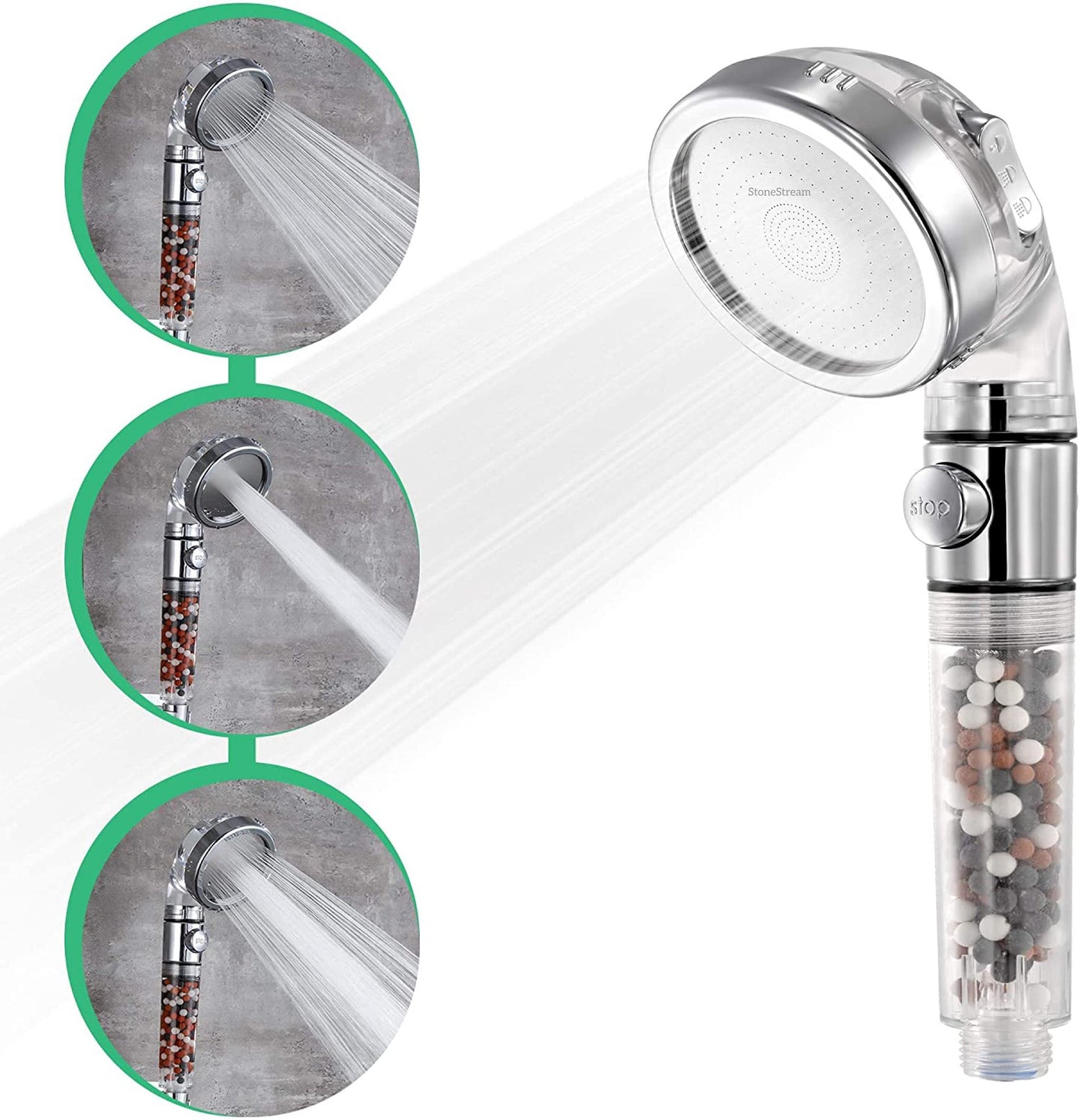
Proto filtrace sprchy existuje jako samostatná kategorie odlišná od filtrů na pitnou vodu. Víceúrovňové filtrační sprchové hlavice, jako je StoneStream EcoPower, využívají média, jako je KDF (Kinetic Degradation Fluxion) a aktivní uhlí, ke snížení množství chlóru, těžkých kovů a některých rozpuštěných pevných látek dříve, než voda dosáhne vašeho těla. Řeší dermální a inhalační expozici, kterou filtry na pitnou vodu nezvládají.
To, zda ji potřebujete, závisí na kvalitě vaší vody a vaší citlivosti. Pokud máte pocit suché pokožky, vaše vlasy vypadají matně nebo při sprchování cítíte chlór, filtrace výrazně změní váš zážitek.
Často kladené otázky
Je voda z kohoutku bezpečná pro sprchování?
Voda z kohoutku splňuje bezpečnostní normy EPA pro patogeny a toxiny. Ale „bezpečná“ a „optimální“ není totéž. Chlór, minerály z tvrdé vody a stopy těžkých kovů vás v krátkodobém horizontu neotráví, ale časem ovlivňují zdraví pokožky, stav vlasů a celkové pohodlí.
Jak zjistím, co je v mé vodě z kohoutku?
Každý systém městské vody zveřejňuje roční zprávu o důvěře spotřebitelů (CCR), která uvádí zjištěné kontaminanty a jejich hladiny. Tu svou najdete vyhledáním „[název vašeho města] water quality report“ nebo návštěvou databáze CCR EPA. U studniční vody nebo podrobnějších testů provádějí nezávislé laboratoře analýzu vzorků za 100–300 USD.
Odstraní převaření vody chlór a kontaminanty?
Převaření odstraní chlór odpařením a zahubí bakterie, ale koncentruje těžké kovy a minerály. Vápník a olovo se neodpařují. Zůstávají ve vodě, zatímco objem vody klesá. Pro pití funguje převaření jako dezinfekce. Pro sprchování je to nepraktické.
Jsou hladiny chlóru ve vodě z kohoutku nebezpečné?
Při hladinách regulovaných EPA (pod 4 mg/l) není chlór ve vodě z kohoutku akutně toxický. Dlouhodobé vystavení vedlejším produktům dezinfekce nese určitá rizika (viz výše uvedená data EPA a výzkumů). Větším problémem pro většinu lidí je podráždění pokožky, vysušování a podráždění dýchacích cest z výparů chlóru během sprchování.